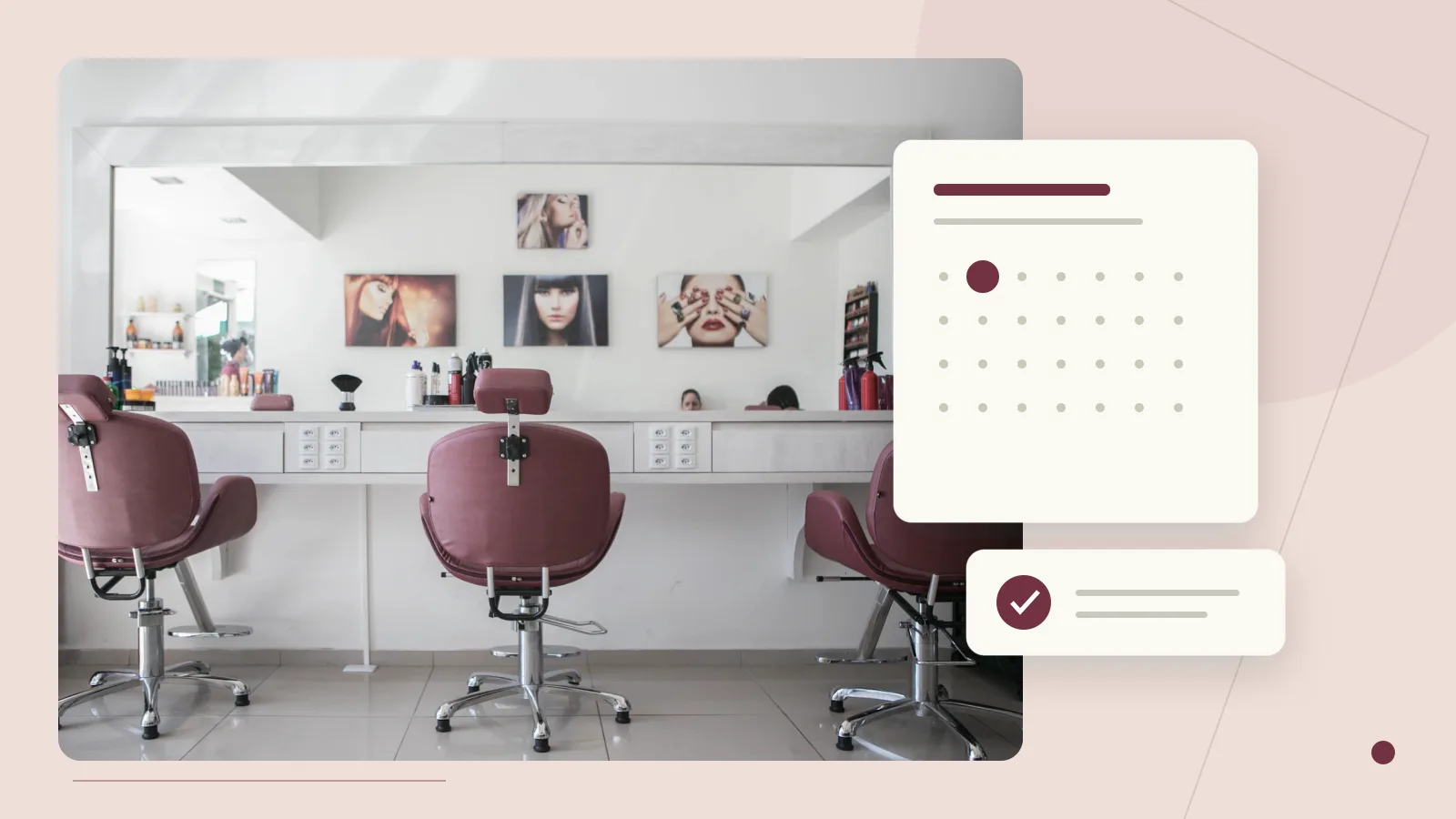
The design of a salon website begins before the colour palette. It begins with the decision a prospective client needs to make. A dramatic photograph may communicate style, but it cannot explain whether a consultation is needed, what a service includes or which booking option to choose. We treat the price and appointment journey as part of the visual design, not something to add after the homepage is finished.
Name services the way a new client thinks
An owner and an experienced client may understand an internal service label immediately. A first-time visitor may not. Pair distinctive names with a short plain-language explanation. For a haircut, that might describe consultation, wash, cut and finish, but only when those items are genuinely included. For colour services, explain when the business needs a consultation before offering an estimate.
Do not solve ambiguity by presenting every possible variation on the first screen. Start with a few understandable categories, let people inspect the details and maintain a clear route for people who are unsure. The right number of categories is the number that helps this particular business, not a universal design rule.
Explain a starting price instead of hiding behind it
A starting price should be accompanied by an explanation of what can change the final scope. Extra time, service complexity or an agreed addition can be described in the salon’s own terms. Avoid vague wording that appears to promise a fixed total when the business cannot provide one. Include the currency and the relevant pricing policy where the decision is made.
If prices vary by stylist, make the relationship visible. A price table that looks simple but disagrees with the booking provider can create confusion at the last step. The salon should approve the website and provider information together before launch, then identify one person responsible for keeping both current.
Carry the choice into the next step
After someone chooses a service, show a short summary rather than asking them to reconstruct the choice. In our salon concept, selecting a service updates the visible duration and example price, then carries the service into an appointment preview. It is a functional demonstration, not live availability.
A real implementation can hand off to an existing booking platform. Test the link on a phone and make sure the promised service is easy to find. Decide how cancellation rules, deposits and appointment changes are communicated. Those are business policies requiring approval, not decorative copy a designer should invent.
Let real work build confidence
Use genuine photographs with permission. If a photo is a stock illustration, label its role rather than implying it records work by the salon. Do not fabricate before-and-after results. The same principle applies to staff biographies, qualifications and reviews: missing evidence is a reason to ask a question, not an invitation to fill the layout with plausible claims.
A practical review session can be short. Ask someone unfamiliar with the business to find a suitable service, explain the displayed price in their own words and begin the booking path. Observe where they hesitate without guiding them. These observations are useful qualitative feedback; they do not establish a conversion-rate improvement. Agree the next small change, then repeat the exercise after it is made.
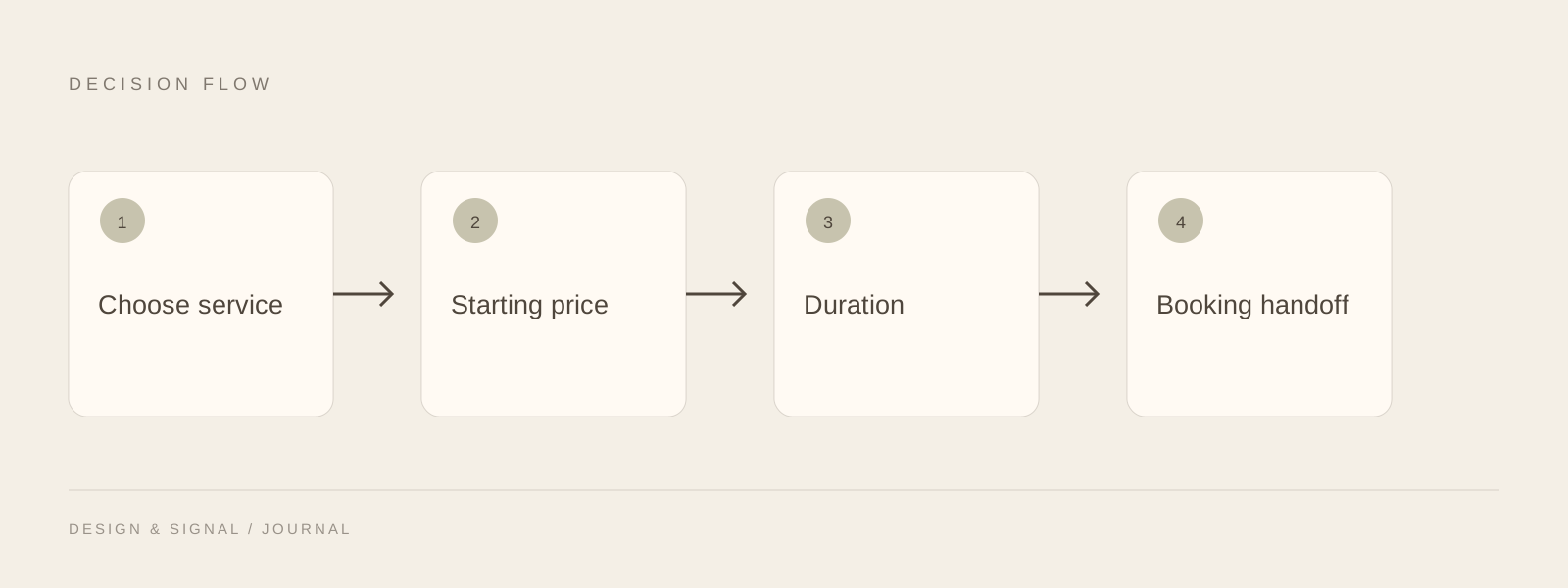
Build a decision ladder, not a wall of services
A useful salon menu lets a new client move from a broad intention to a specific appointment. Start with a few understandable groups, then reveal the detail needed for a choice. A client who wants a trim, a colour correction and a first-time consultation should not have to decode internal abbreviations before they know which branch of the menu applies.
The website should make uncertainty visible. If the salon needs a consultation before quoting a colour service, the interface should say so and route the client there. Hiding that rule until the final booking screen creates a mismatch between the promise and the operating process.
Put price qualifiers next to the price
A starting price can be useful when the reasons for variation are explained close to it. Length, time, product use, seniority or a consultation may affect scope, but only list factors the salon actually uses. A vague asterisk that links to a distant policy page is weaker than one sentence beside the service.
Price clarity also helps staff. If the website, social posts and booking provider all use different labels or starting prices, the business has created a maintenance problem. Choose one approved source of truth and include the public website in the update checklist.
The salon’s real rules determine which presentation is appropriate.
- Say what the service includes
- Keep provider labels consistent
- Explain approved variation factors
- Do not imply an all-inclusive total
- Make the uncertainty visible early
- Route to the right consultation
Test the external booking handoff on a phone
A third-party booking provider may be excellent and still create a rough handoff if the selected service disappears, the location defaults incorrectly or the client lands on a long unfiltered catalog. Test the path from a specific website service card, not only from the booking provider’s homepage.
W3C’s guidance on target size and form notifications is useful here as a baseline: controls need to be operable, and success or error states need to be understandable. Those standards do not tell a salon how to price balayage; they help make the interaction itself robust.
Assign ownership after launch
The most polished service page becomes unreliable if nobody owns the price and duration fields. During handover, name the person who approves service changes, the provider that holds availability, and the website fields that need to match. If the salon uses a CMS, limit self-editing to fields the team can safely maintain.
The practical goal is not a perfect catalog. It is a path where a new client can identify the right service, understand the pricing basis, reach the real booking system and know what will happen next. That is why our salon concept demonstrates the selection journey rather than pretending to show live availability.